
Why do concrete structures fail before their time?
Understanding the mechanisms of deterioration is the first step to preventing it.
The Hidden Threat
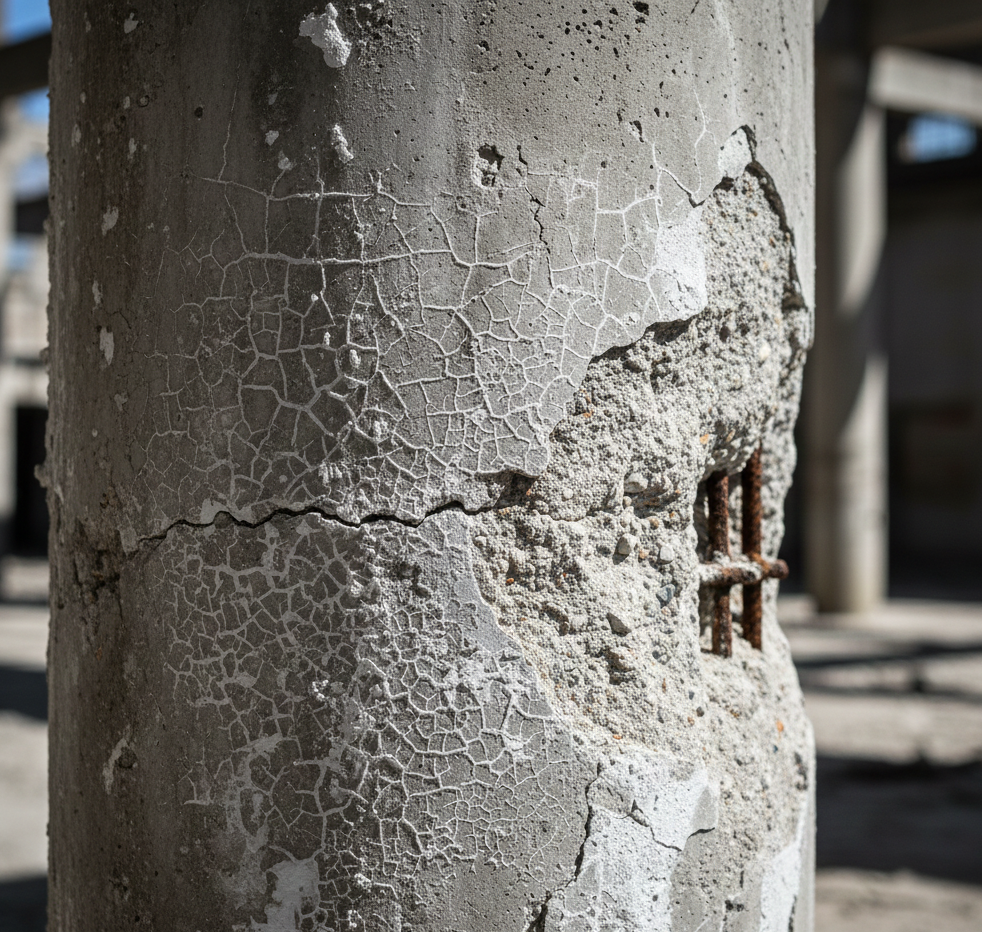
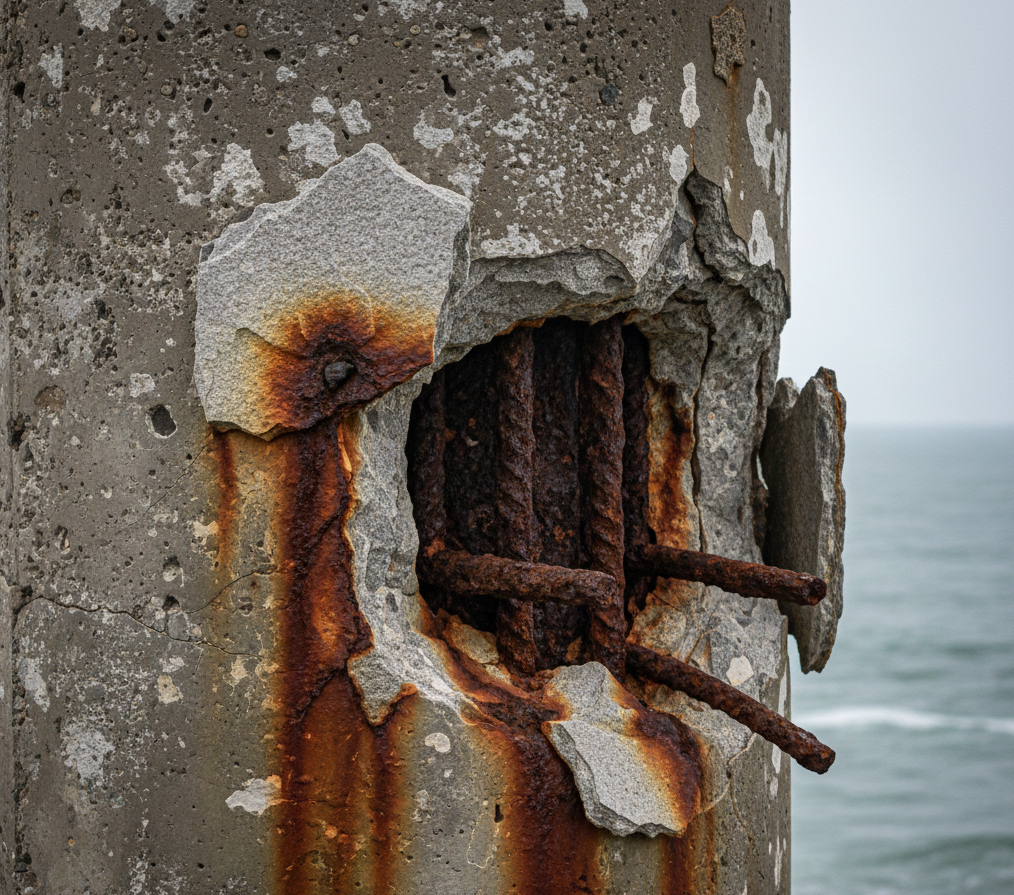
Concrete deterioration begins long before visible damage appears. Moisture carries chlorides, acids, and reactive compounds deep into the matrix — silently attacking reinforcing steel and weakening the structure from within.
The Deterioration Mechanisms
Multiple processes work together to reduce service life:
Chloride ingress: De-icing salts and marine environments corrode reinforcing steel
Carbonation: CO₂ lowers concrete pH, destroying steel's passive protection
ASR & DEF: Internal expansion reactions cause cracking from within
Low cover: Insufficient concrete depth accelerates all degradation
The Common Factor
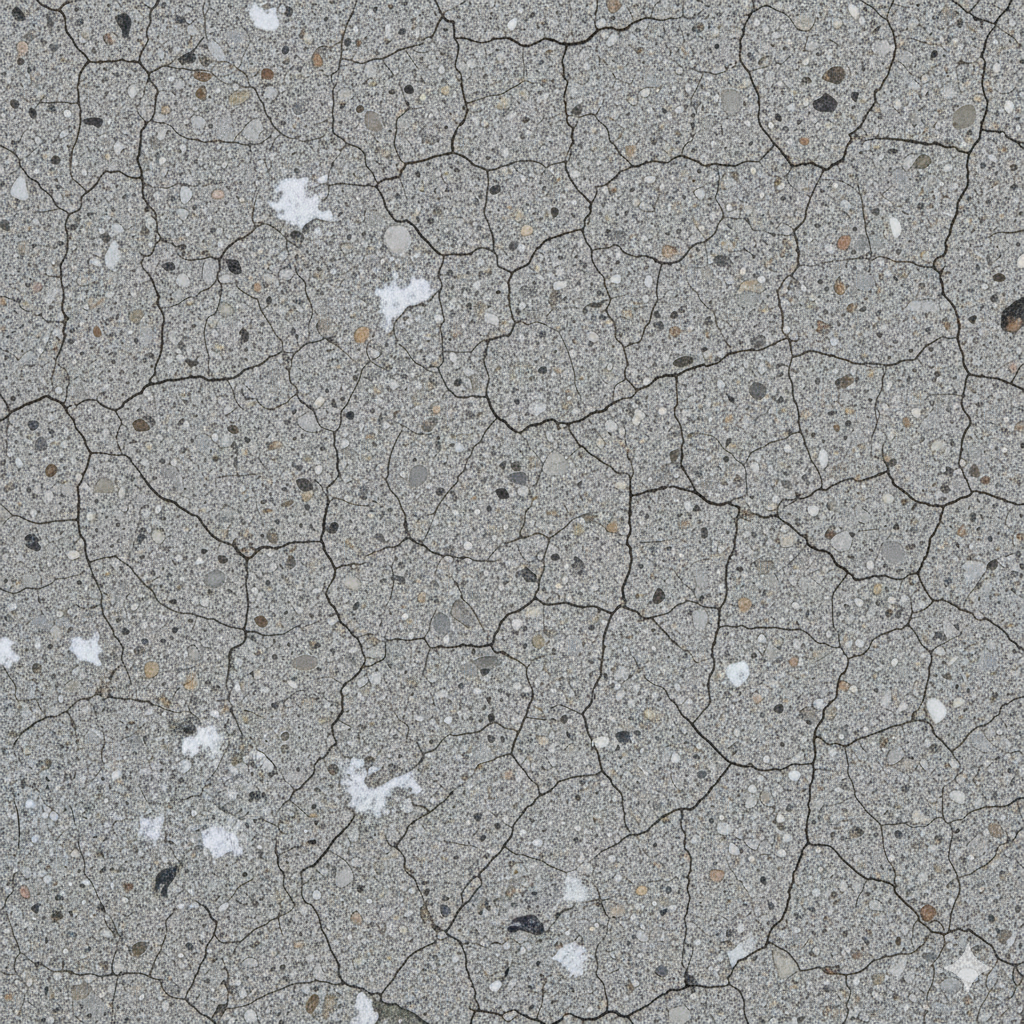
Every deterioration mechanism requires moisture to function — either to transport contaminants or sustain chemical reactions. Control moisture movement, and you control deterioration. An estimated 80% of concrete contaminants are delivered into concrete thorugh micor cracking.
The Principle
Effective service life extension must:
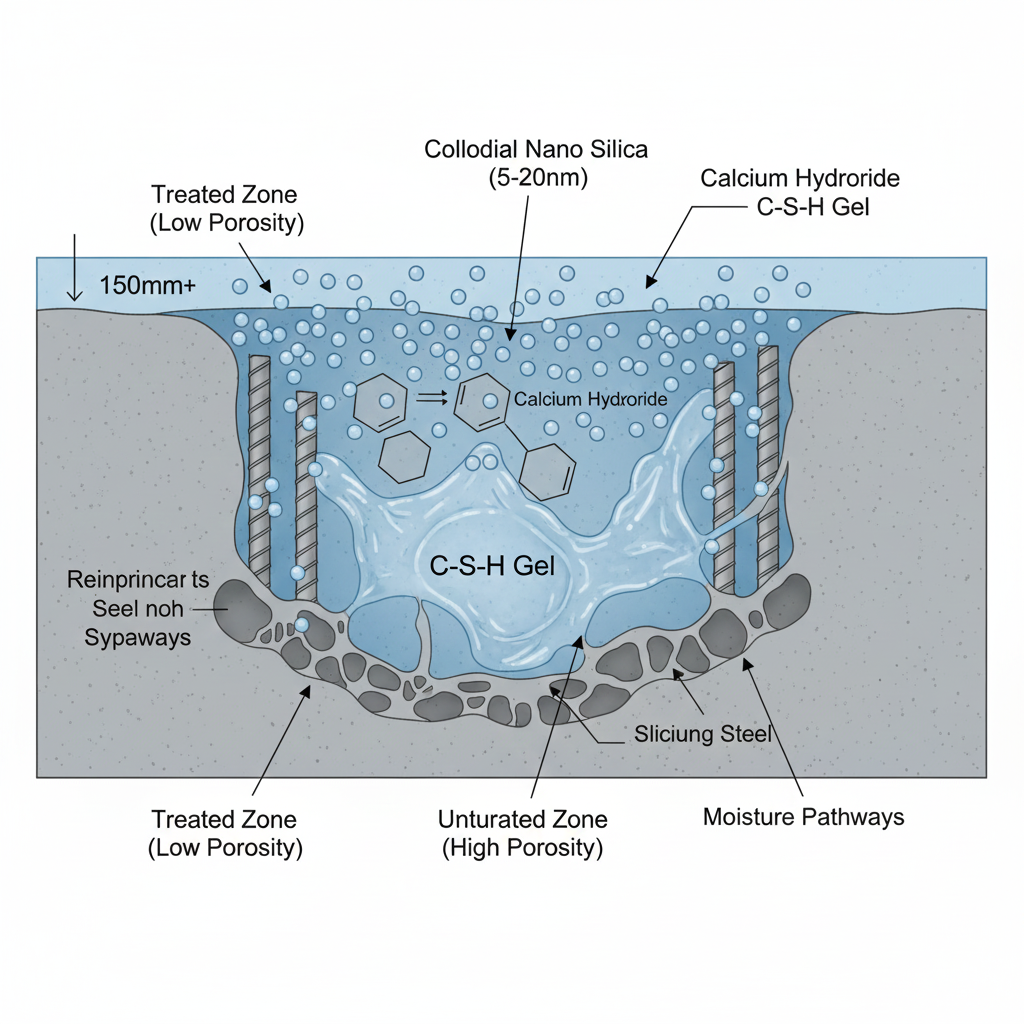
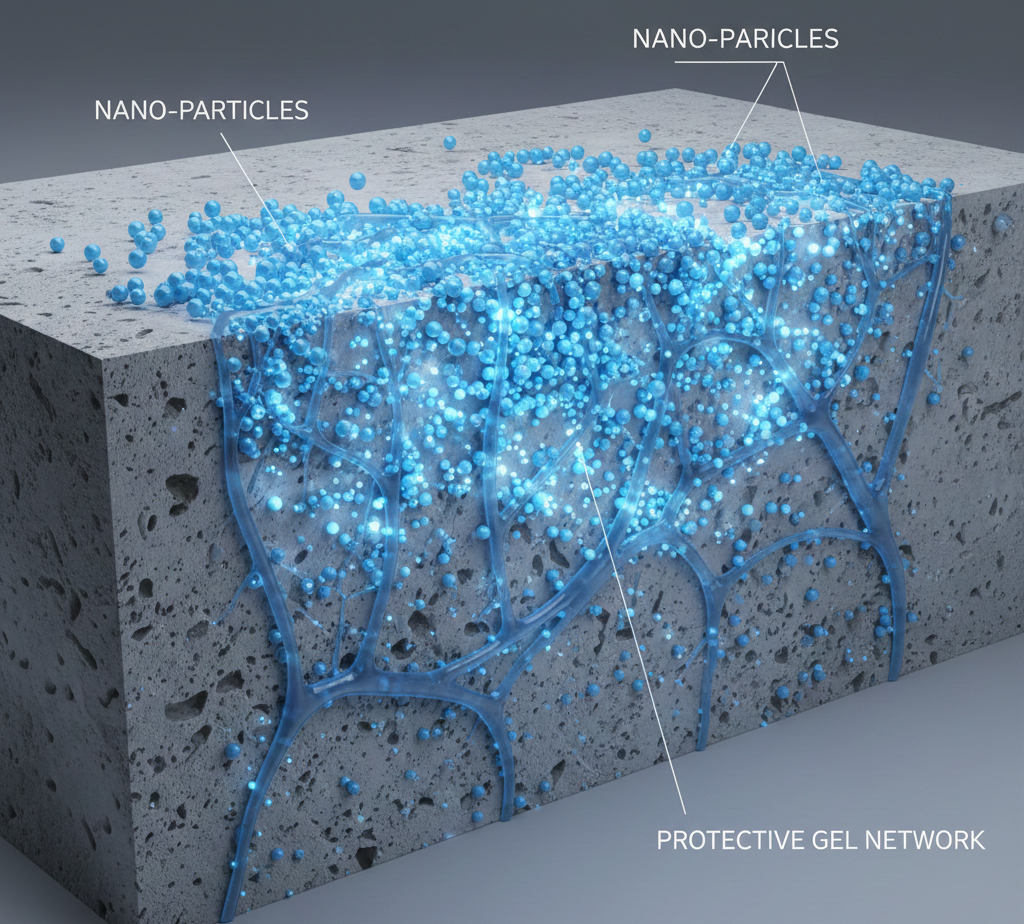
Control moisture within the concrete — not just at the surface
Penetrate deep enough to protect reinforcement zones (100-200mm)
Remain permanent — no reapplication, no wear
Surface coatings seal the outside but cannot immobilise moisture already within. Deterioration continues beneath the "protected" surface.
The Solution
Colloidal Nano Silica Hydrogel technology converts free moisture into immobile gel deep within the concrete matrix — stopping the transport mechanism permanently and becoming part of the concrete itself.
Protect from within. Extend service life.
#ConcreteProtection #AssetManagement #Infrastructure #ServiceLife #CivilEngineering #ConcreteDurability #CorrosionProtection